

By Emily Jones
In communities like Carrollton, we’re far removed from war zones—but global developments are increasingly tied to issues that affect us all. From faltering institutions to new flashpoints, the world is navigating a “new order” of crises. Here’s a look at the biggest ongoing trends shaping international affairs.
Waves of Armed Conflict
Violence around the world has surged to levels not seen in decades. Civil wars, interstate hostilities, and regional insurgencies are everywhere from Sudan and Yemen to Myanmar and Ukraine. These conflicts aren’t isolated—they ripple out, disrupting trade, displacing communities, and eroding state institutions. Experts warn that multiple conflicts loom as “watchlist” crises in 2026 due to their potential to ignite broader destabilization. ACLED’s Conflict Index, for instance, suggests some countries face not just worsening violence, but growing control by armed groups and risks to civilians.
Humanitarian Systems Stretched to the Breaking Point
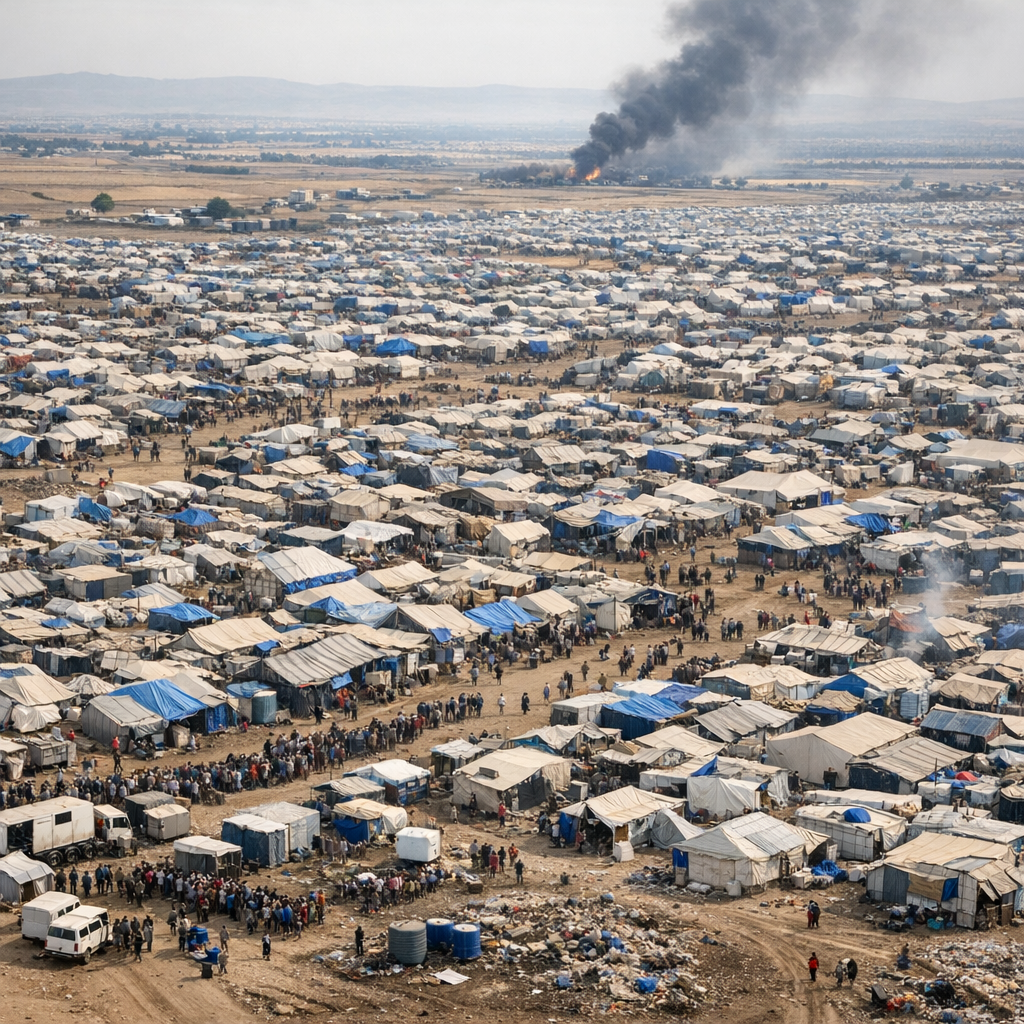
Global humanitarian need has exploded, but support isn’t keeping pace. According to the World Health Organization and the International Rescue Committee, funding shortfalls in 2025 forced reductions in essential health services, leaving tens of millions without care. In countries ripped by conflict or climate shocks, people—especially children—face hunger, illness, and displacement on an unprecedented scale. Meanwhile, access to aid is increasingly blocked by environmental, security, and logistical challenges.
Fuel, Food, and Fragile Economies
Disruption in energy supply—most notably tied to global conflicts—has driven fuel prices up, threatened food production, and introduced serious instability into supply chains. With critical agricultural inputs like fertilizer harder to obtain, food insecurity is rising in affected regions, while inflation strains budgets everywhere. Economies scarred by conflict—or locked in political limbo—are finding recovery increasingly difficult without stability or investment.
Geopolitical Shifts and Diplomatic Turmoil
Old alliances are fraying and new diplomatic lines are being drawn. China’s expanded engagement with nations critical of Western influence represents a shift to a more multipolar global arena. Negotiations over Iran, tensions in the Red Sea and Hormuz Strait, and disputes in the South China Sea underscore how closely energy, security, and trade have become entwined.
What Comes Next—and What We Can Do
- Stronger global cooperation—crises stall when nations act alone. International institutions need more investment and reform to respond effectively.
- Prioritize human dignity in conflict zones—protecting civilians, maintaining access to aid, and safeguarding children’s rights must be central.
- Long-range thinking—policy decisions must focus not just on immediate crises but on systems: health, climate resilience, justice, and governance.
- Local voices matter—stories from the frontlines of conflict, climate, and displacement need to be heard; awareness drives action.
Behind the headlines and human tolls are patterns: weakening institutions, ecological stress, vast inequalities, and diplomacy in turbulence. These challenges won’t resolve overnight. But paying attention—and caring—brings clarity about what holds us together—and what threatens to unravel us.